 Mastering Auto Repair: Key Strategies for Keeping Your Car in Top Shape
Having a car means you need to take responsibility for its upkeep and repairs. Learning the essentials of auto repair helps you save on expenses and ensures your car runs efficiently. This guide provides practical tips to help you manage important auto repair tasks and keep your vehicle running efficiently.
Regular maintenance is essential for prolonging your vehicle’s lifespan. One critical task is to frequently check the level and condition of your engine oil. The engine oil helps to lubricate the engine’s moving components, reducing wear and tear. Changing the oil according to the manufacturer’s recommendations, often every 3,000 to 7,500 miles, is crucial. Additionally, inspecting your tires for proper inflation and wear is equally important. Proper tire inflation enhances safety and fuel efficiency. Rotate your tires every 6,000 to 8,000 miles to ensure even wear.
Identifying common vehicle problems can prevent more serious issues. If you hear unusual noises such as squealing brakes or grinding sounds, address them immediately. Strange sounds often point to worn brake pads or other mechanical failures. Warning lights on your dashboard are crucial signals of your vehicle’s condition. The check engine light could point to minor sensor issues or serious engine concerns.
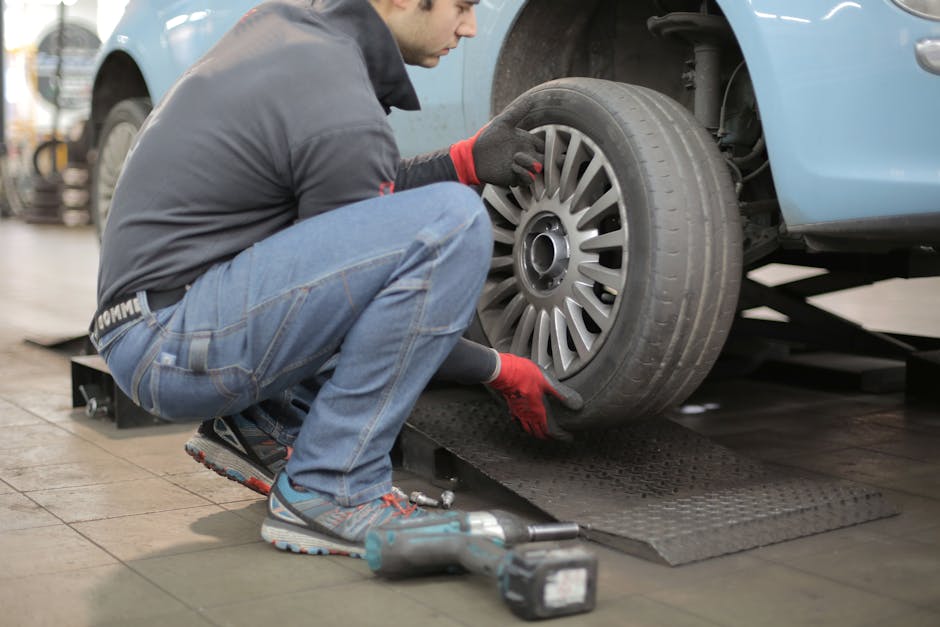
With the right tools and some knowledge, you can handle simple repairs on your own. Replacing a flat tire is a fundamental skill every vehicle owner should have. Always have a spare tire, jack, and lug wrench available in your vehicle. Follow the manufacturer’s guidelines for safely lifting the vehicle and replacing the tire. Changing the air filters is another straightforward repair you can perform. A clean air filter enhances engine efficiency and fuel economy. Typically, air filters should be replaced every 12,000 to 15,000 miles.
The battery is essential for starting your car and powering electrical components. Consistent checks on the battery terminals for corrosion are important. Corrosion can obstruct the flow of electricity and result in starting difficulties. Use a baking soda and water mix to clean any corrosion you find. Securely mount the battery to avoid damage from vibrations.
Various fluids and filters are crucial for your vehicle’s performance. Consistently monitor and replenish fluids like coolant, brake fluid, and transmission fluid. Coolant keeps the engine from overheating, brake fluid maintains braking performance, and transmission fluid facilitates smooth gear shifting. Replace filters, including cabin air filters, every 15,000 to 30,000 miles to maintain clean air and engine performance.
Changes in seasons can impact your vehicle’s performance. Make sure antifreeze levels are sufficient in winter to avoid freezing and confirm that your heater and defroster are working well. In summer, inspect your air conditioning system to maintain comfort during hot weather. Keep an eye on tire tread depth; deeper treads provide better grip in wet conditions.
While handling basic repairs is manageable, some issues may require professional help. Build a relationship with a reliable auto repair shop. A good mechanic will offer honest evaluations and quality service. Keep detailed records of all maintenance and repairs to track your vehicle’s service history.